This post is also available in: enEnglishzh-hant繁體中文 (Chinese (Traditional))ja日本語 (Japanese)

Jil Sander: Quiet Power. Radical Purity.

FASHION / 2025-07-16

From Hamburg to the Haute Frontline: The Rise of Minimalist Mastery

Jil Sander was founded in 1968 by Heidemarie Jiline Sander in Hamburg, Germany—a city more known for maritime trade than fashion innovation. But that contrast is precisely what shaped her vision. Trained as a fashion editor before becoming a designer, Sander channeled her frustration with superfluous trends into a design philosophy built on radical minimalism.

From the beginning, her collections rejected excess and ornamentation, focusing instead on architectural tailoring, high-quality fabrics, and a neutral palette. In an era defined by maximalism, she offered a serene antidote—one that resonated with career women of the 1980s and set a new tone for luxury.

Despite early struggles, her eponymous label earned critical acclaim, eventually joining the Prada Group in 1999, though creative differences led to her multiple exits. Today, under the artistic direction of husband-and-wife duo Luke and Lucie Meier, and owned by OTB Group, the brand continues to blend its Teutonic precision with a humanist warmth, carving out a global influence that’s at once cerebral and sensual.

Tailored Emotion: Precision, Texture, and Unexpected Softness

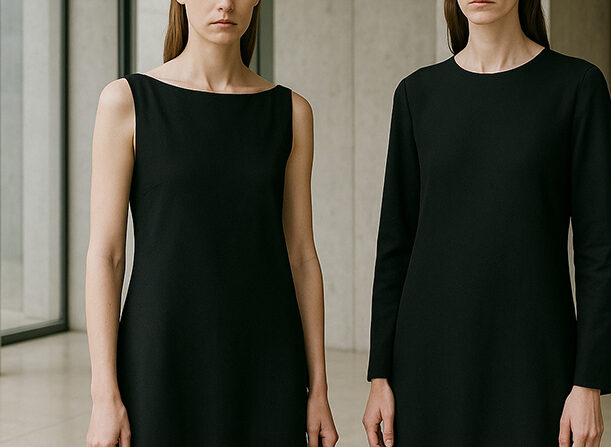
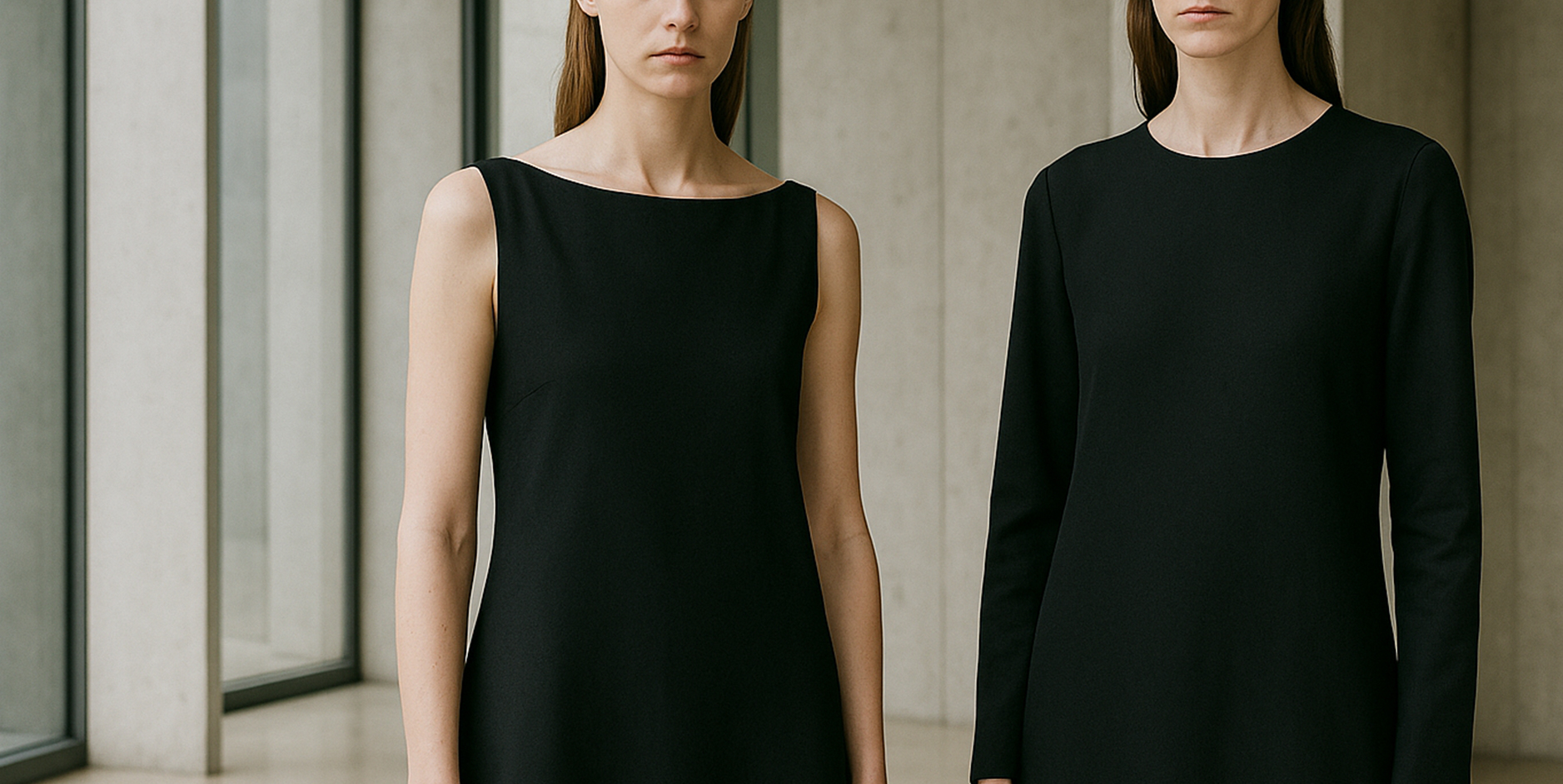
Unlike fleeting trends, Jil Sander designs are built to endure—both structurally and emotionally. Known for its precise tailoring and monastic clarity, the brand crafts garments that whisper rather than shout, exuding quiet authority. But under Lucie and Luke Meier’s creative direction, that silence has taken on richer depth: rounded silhouettes, noble natural fibers, and poetic asymmetry give minimalism a pulse.

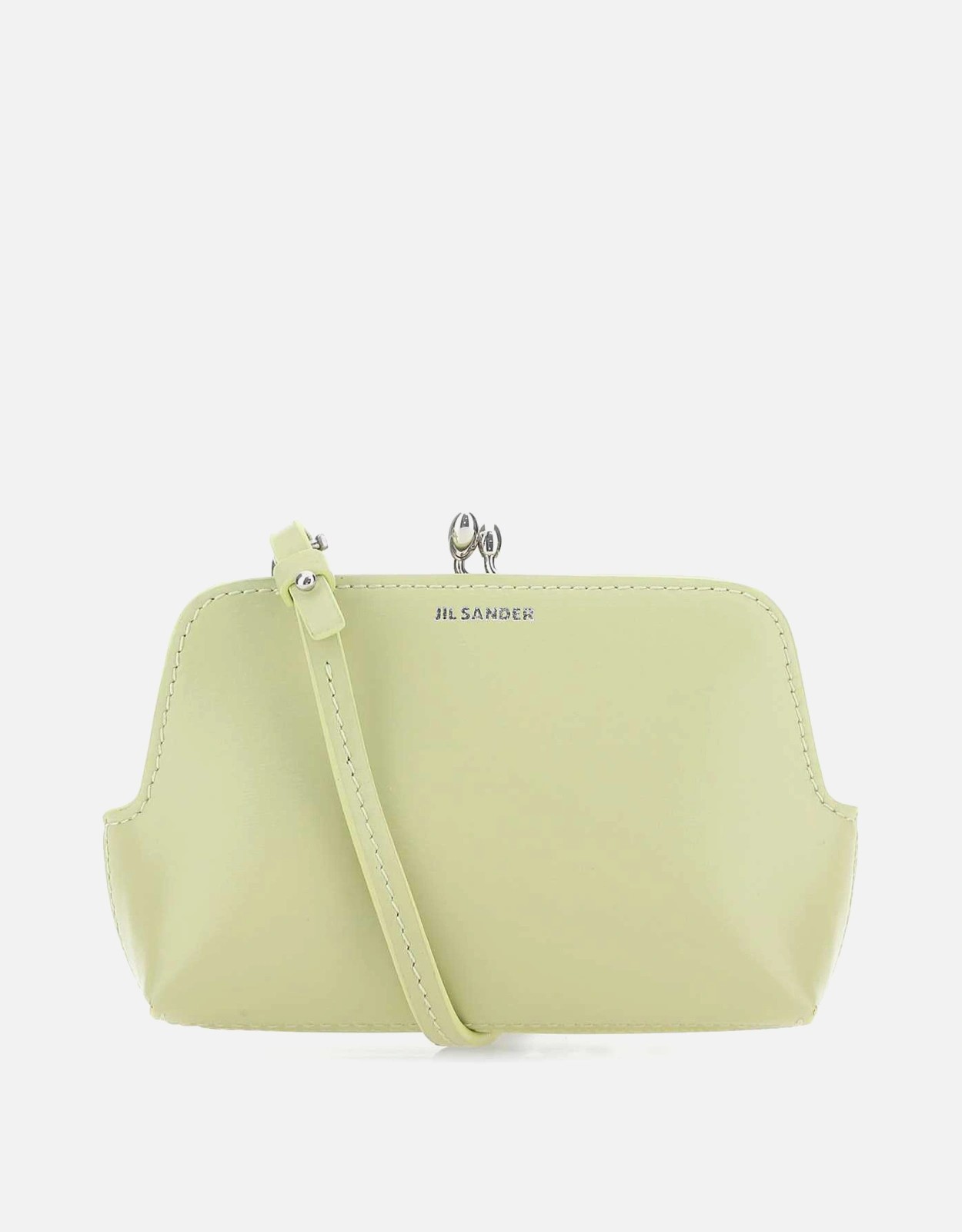
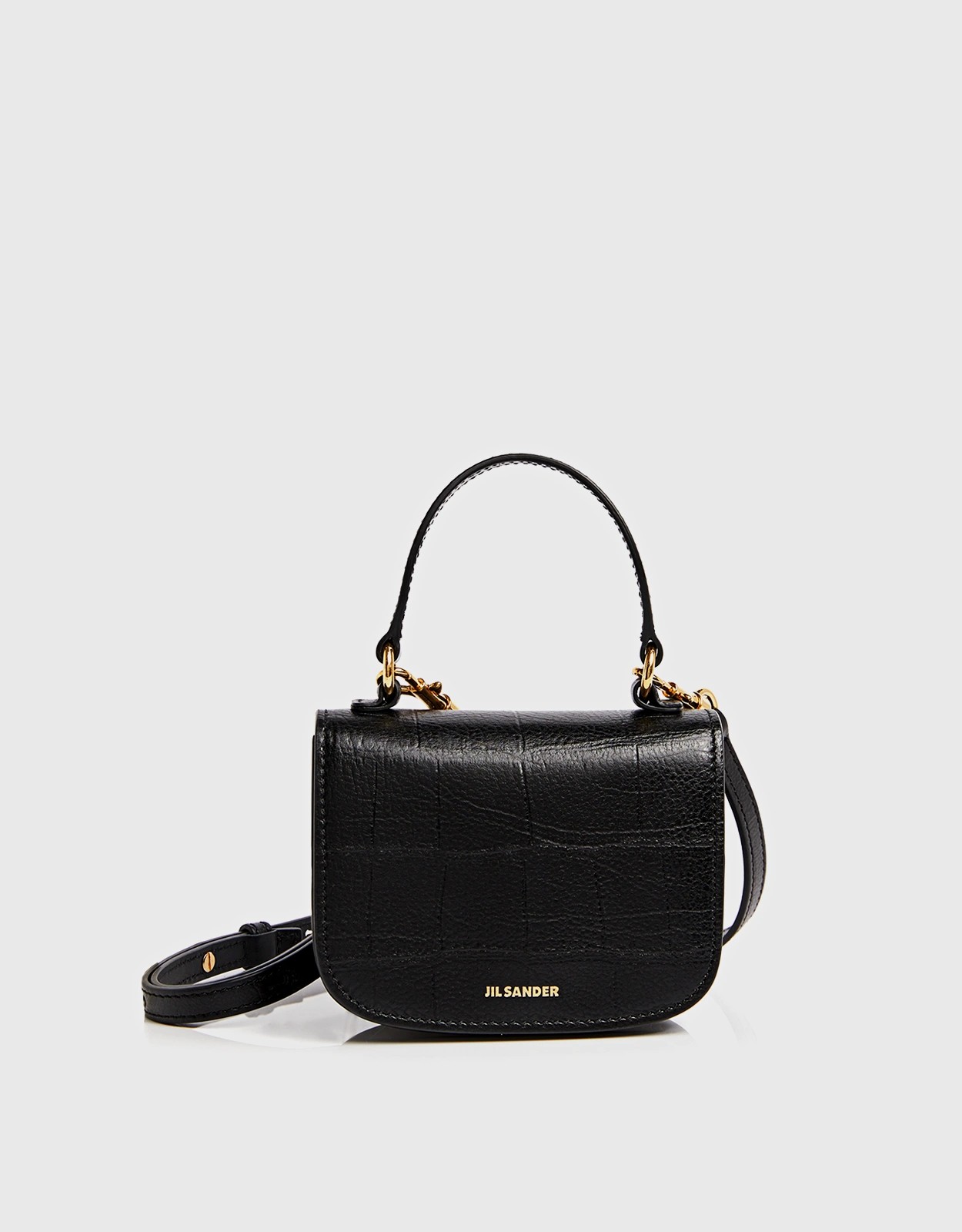
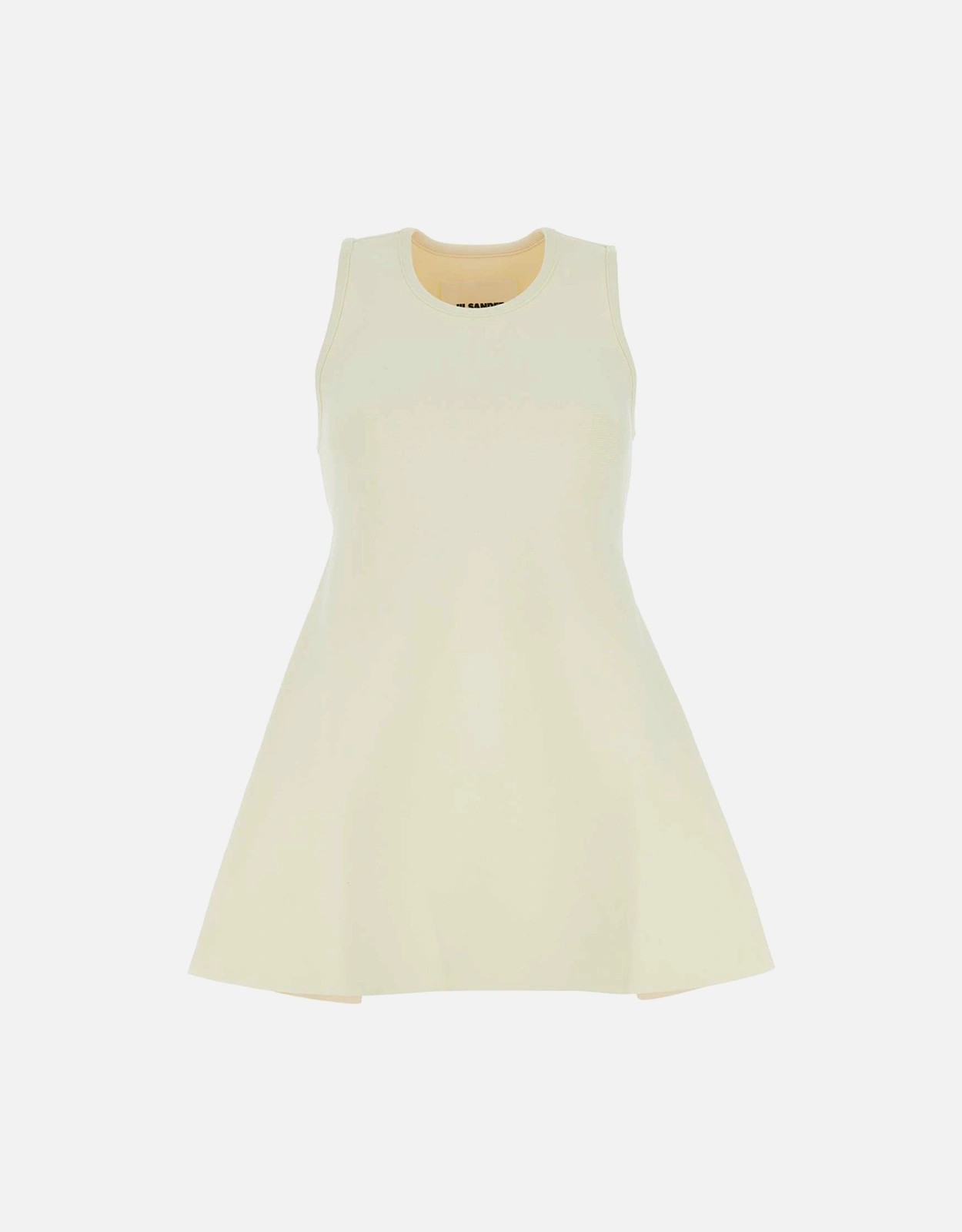
From the cult-favorite Tangle bag—with its knotted leather strap and sleek construction—to oversized outerwear sculpted like wearable architecture, each piece balances form and feeling. Materials like Japanese paper-cotton, organic wools, and raw silk elevate even the simplest tunic into a sensorial experience.

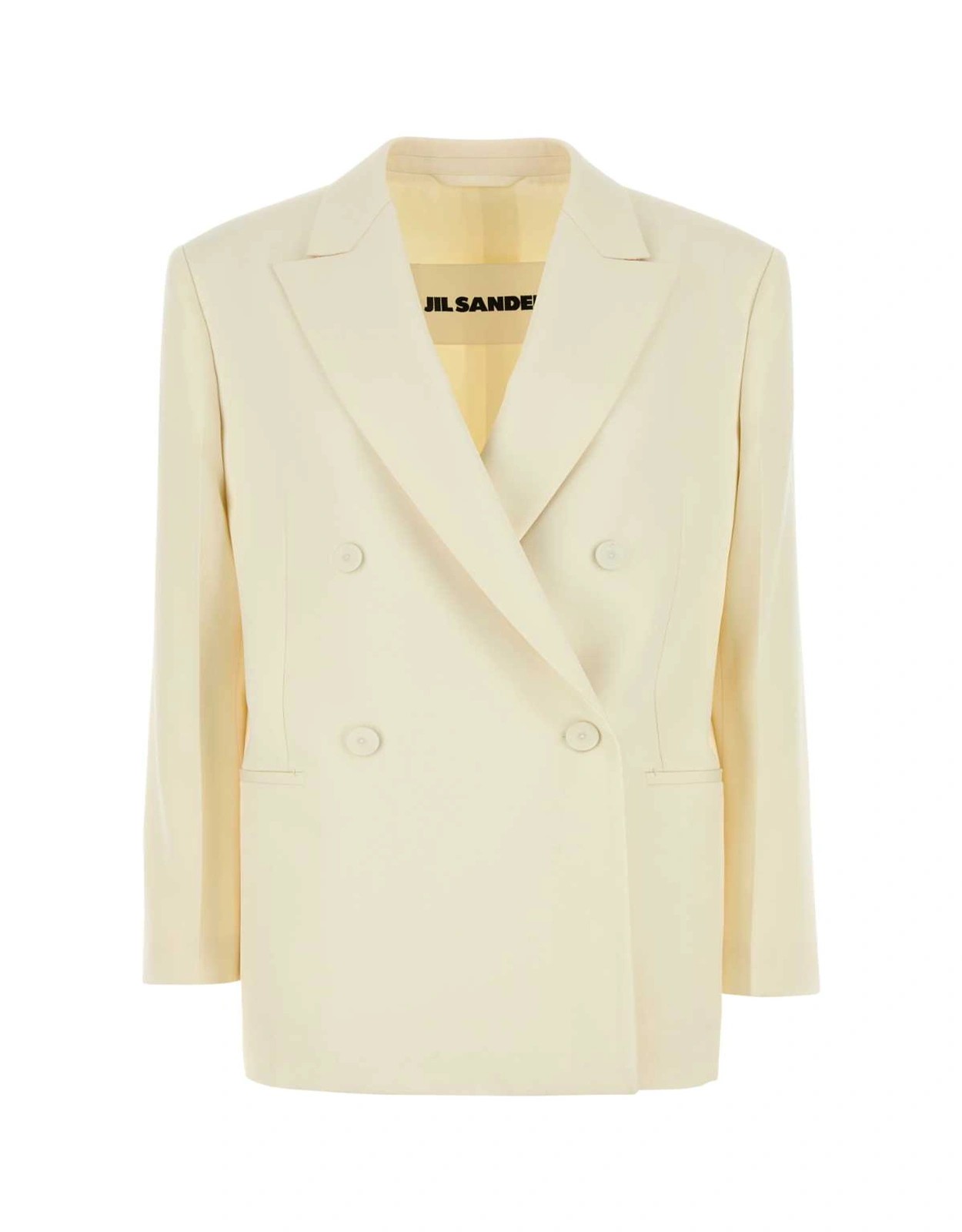
While the brand’s signature suiting remains a cornerstone of its identity, recent collections have introduced gender-fluid knits, sculptural jewelry, and shibori-dyed accessories, signaling a willingness to evolve without compromising its DNA. Jil Sander’s designs are meant for refined dressers who crave intention, not attention.


Minimalism as Mindset: A Culture of Considered Living

More than a brand, Jil Sander embodies a cultural worldview—one where less is deeply more. Its philosophy extends into every touchpoint: minimalist flagship boutiques designed by John Pawson, tactile runway sets that reference land art and Bauhaus geometry, and quietly powerful campaigns shot by visual poets like Mario Sorrenti and Inez & Vinoodh.

Through collaborations such as the widely lauded +J collection with UNIQLO, Jil Sander made high-concept minimalism accessible without diluting its integrity. The Meiers have also championed sustainability as an aesthetic value, not just an ethical one—highlighting local craftsmanship, slow production cycles, and low-impact dyes in seasonal collections.

The result? A brand that speaks fluently to a global audience of creatives, intellectuals, and understated style leaders. It’s not fashion-as-status—it’s fashion as soul.


Elegance Without Effort: Discover the Power of Restraint

To wear Jil Sander is to choose substance over spectacle, to believe in the emotional resonance of restraint. It’s an invitation to dress with clarity, to cultivate a wardrobe that evolves with your inner narrative.

From its Hamburg origins, the brand has constructed a universal language of elegance, rooted in material integrity and aesthetic thoughtfulness. Each piece—crafted with sustainable materials and sculptural discipline—embodies the brand’s essence: purity with presence.

Explore the world of Jil Sander now at IFCHIC, where timeless staples, tactile bags, and boundary-pushing collaborations await to redefine your relationship with style—one precise seam at a time.