This post is also available in:
English
繁體中文 (Chinese (Traditional))
日本語 (Japanese)

Thom Browne — Uniformity, Rewritten
FASHION / 2025-12-18
Brand Origin|How a One-Room Tailoring Experiment Became a Global Code
Founded in 2001 by American designer Thom Browne, the brand began not as a fashion label, but as a made-to-measure menswear atelier operating by appointment only. Browne, originally trained in economics and without formal fashion education, was driven by a singular question: What happens if the rules of classic tailoring are obeyed too precisely—or broken just slightly?
His early suits—cropped jackets, high-water trousers, exposed ankles—were initially misunderstood, even rejected by traditional retailers. Yet this tension became the brand’s foundation. By the mid-2000s, Thom Browne had reshaped modern menswear vocabulary, influencing an entire generation of designers.
The brand’s evolution accelerated when Browne expanded into womenswear and began presenting highly theatrical runway shows—part performance, part social commentary. In 2018, Zegna Group acquired a majority stake, providing global infrastructure while preserving Browne’s creative autonomy. Today, Thom Browne operates between New York, Paris, and Milan, maintaining its position as one of fashion’s most intellectually respected houses.
Design & Products|Shrunken Proportions, Absolute Precision
Thom Browne is renowned for architectural tailoring with intentional discomfort. His designs are instantly recognizable, defined by:
Altered proportions: cropped jackets, shortened sleeves, exposed shirt cuffs
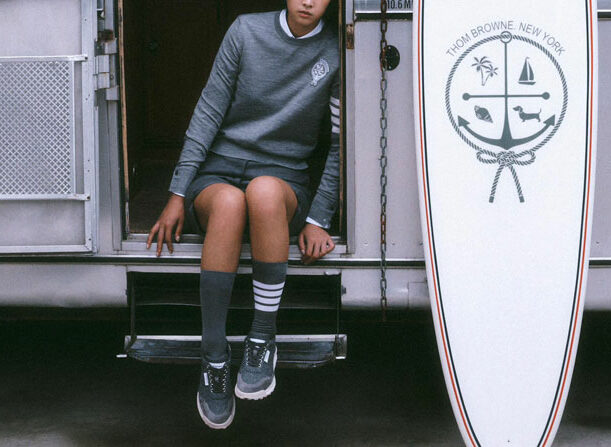
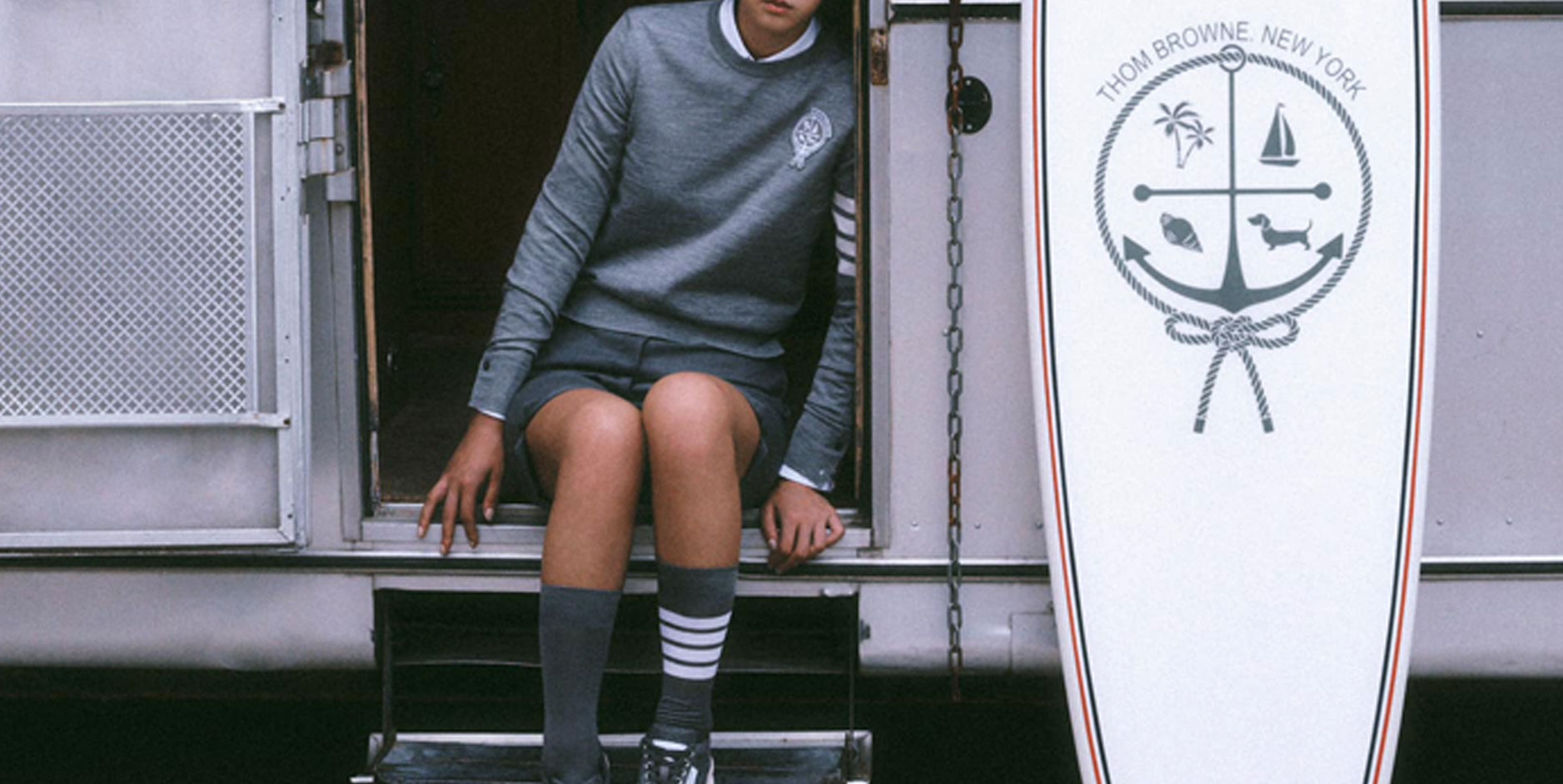
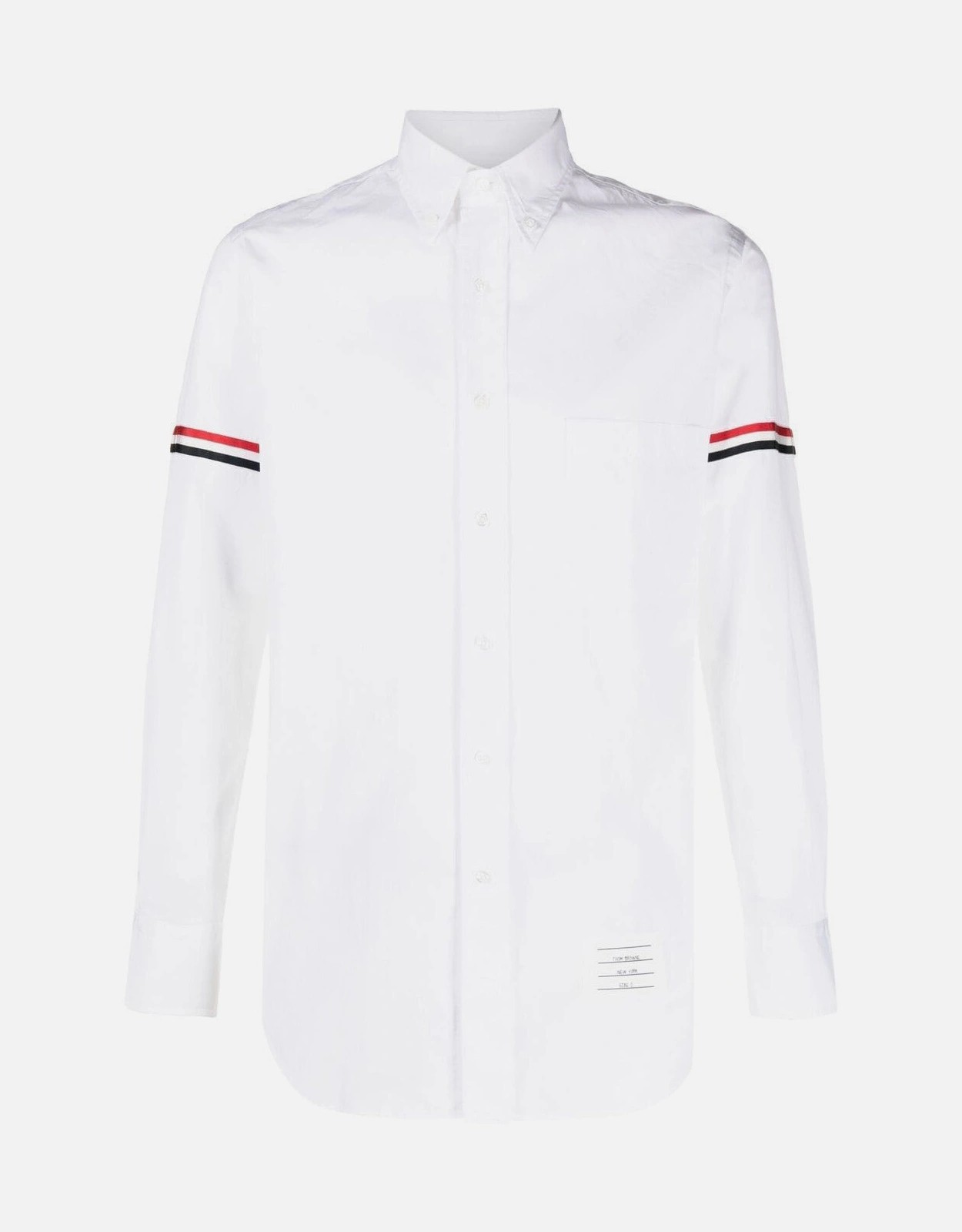
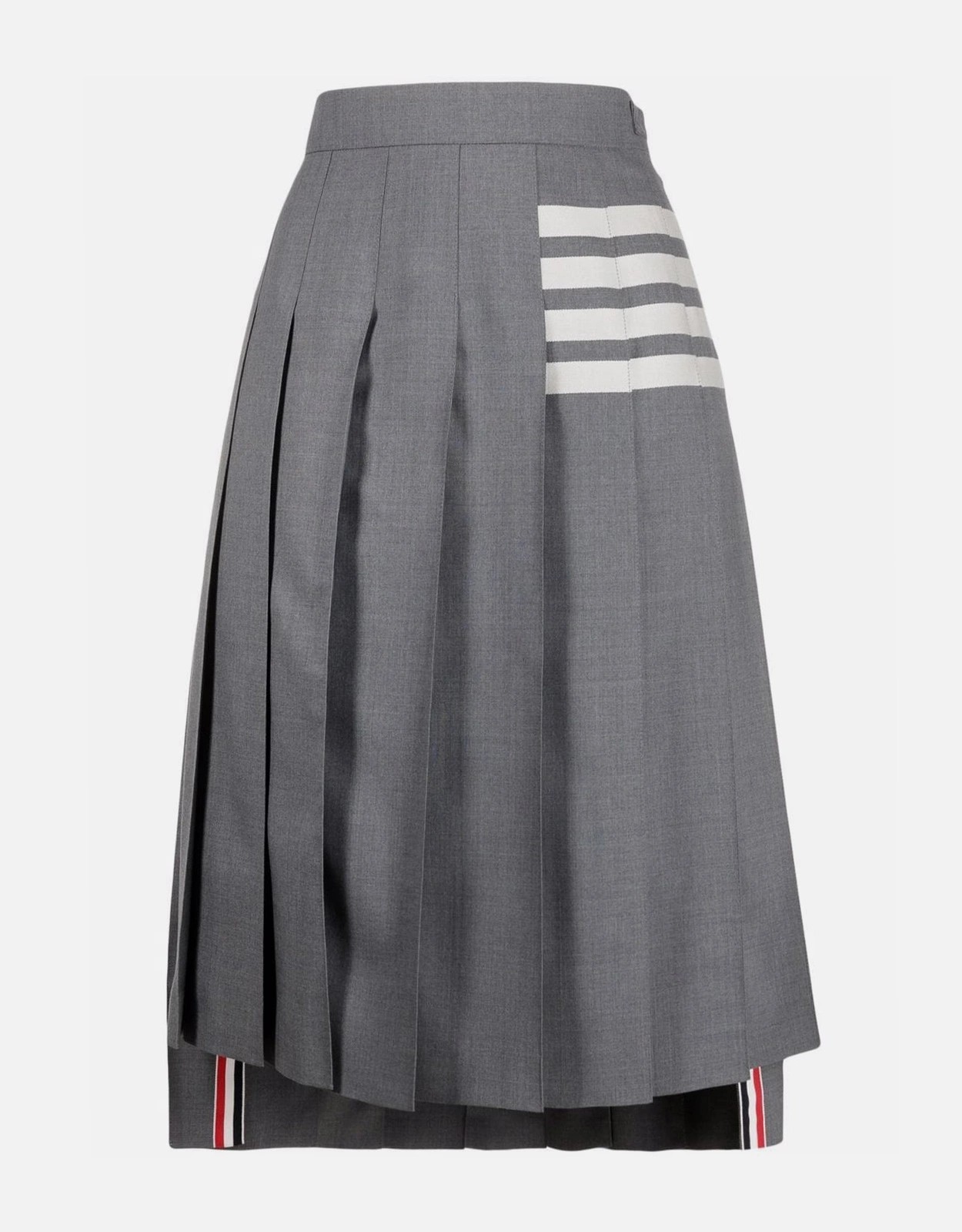
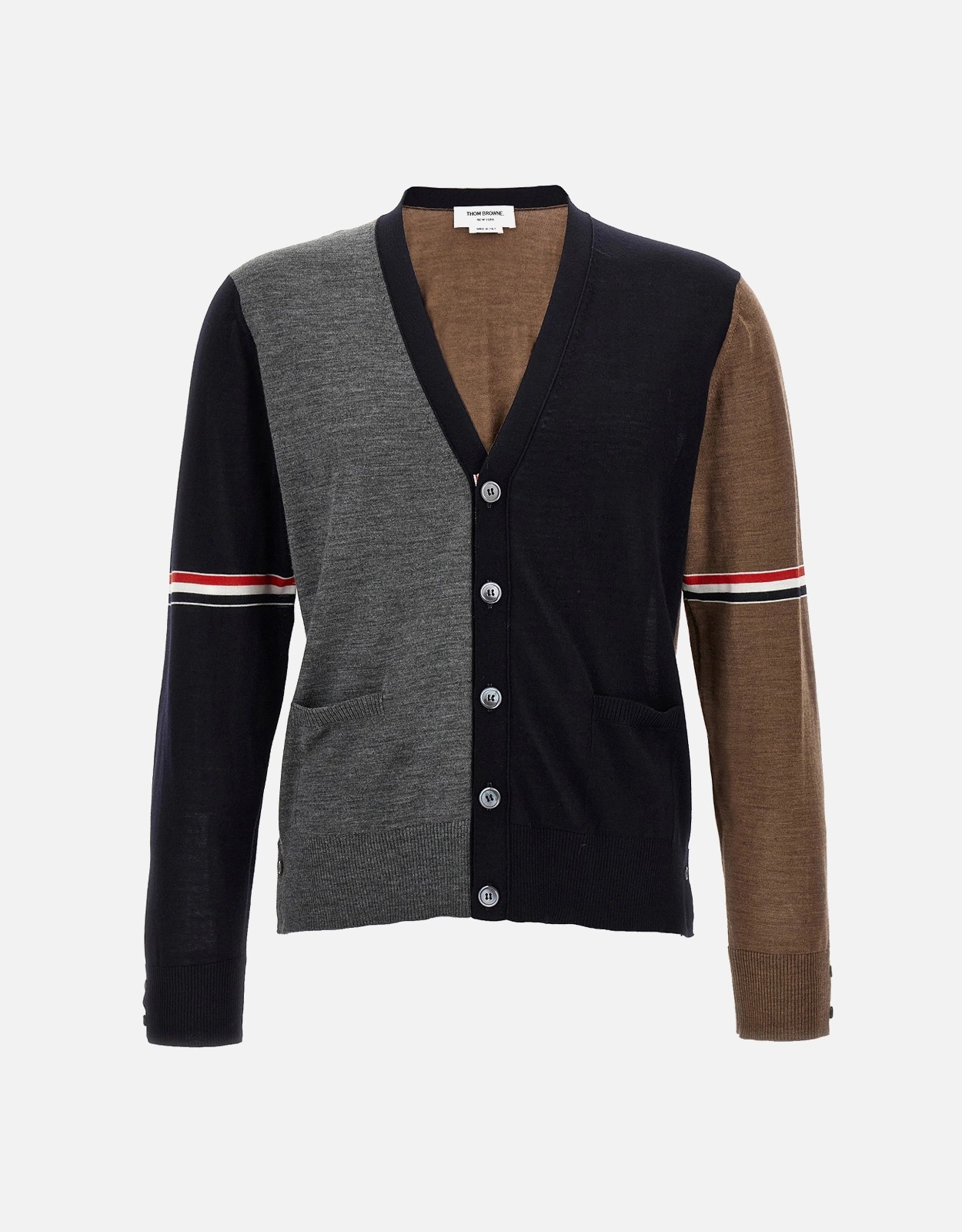
A disciplined color system: grey, navy, black, anchored by the signature red–white–blue grosgrain
Meticulous construction: hand-finished tailoring that rivals traditional Savile Row standards
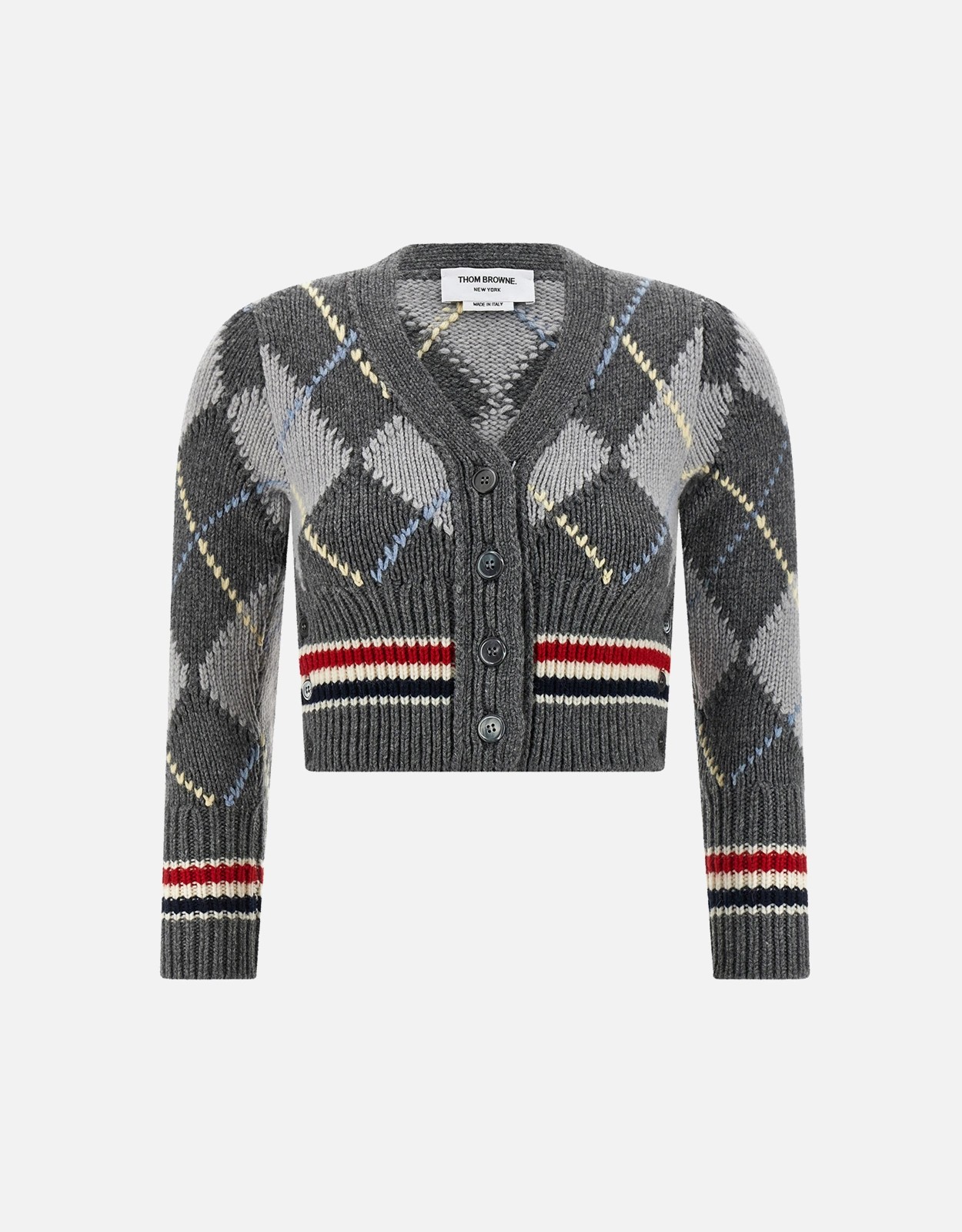
The grey suit remains the brand’s most iconic artifact—less a garment than a manifesto. But Thom Browne’s universe extends far beyond tailoring. Knitwear is engineered with near-mathematical precision, shirts are constructed like uniforms, and accessories inject controlled whimsy.
Notable products include:
Hector Bag — inspired by Browne’s own dachshund, merging luxury leatherwork with deadpan humor
Four-Bar Knitwear — instantly legible, almost heraldic
Footwear & eyewear — designed to feel institutional, not decorative
Each season introduces new technical fabrics, hybrid silhouettes, and conceptual motifs—often referencing academia, sports, or societal rituals—while remaining unmistakably Thom Browne.

Lifestyle & Culture|When Fashion Behaves Like Conceptual Art
Thom Browne does not market a lifestyle in the conventional sense—it constructs a system of belief. His runway shows are famously narrative-driven, staged like operas or institutional ceremonies, asking viewers to reflect on hierarchy, conformity, and identity.
Cultural engagement is deliberate and selective. Collaborations—such as Moncler Genius, Brooks Brothers, and partnerships within contemporary art and architecture—are chosen not for visibility, but for conceptual alignment.
The brand’s community is global yet niche: creatives, collectors, architects, editors—individuals who value ideas as much as aesthetics. Wearing Thom Browne is less about standing out loudly, and more about signaling cultural fluency.
Conclusion|Wearing Thom Browne Is Declaring a Point of View
Thom Browne represents a celebration of discipline, craftsmanship, and unapologetic individuality. From its New York origins, the brand has built a universal language of order and disruption, proving that true creativity often lives within constraints.
Each piece embodies intentional design and intellectual rigor, encouraging wearers not to follow fashion—but to participate in it consciously.
Explore Thom Browne at IFCHIC, where iconic tailoring, conceptual accessories, and boundary-defying collaborations await—ready to redefine how your wardrobe communicates who you are.