 Posted by
This post is also available in:  English
 繁體中文 (Chinese (Traditional))
 日本語 (Japanese)
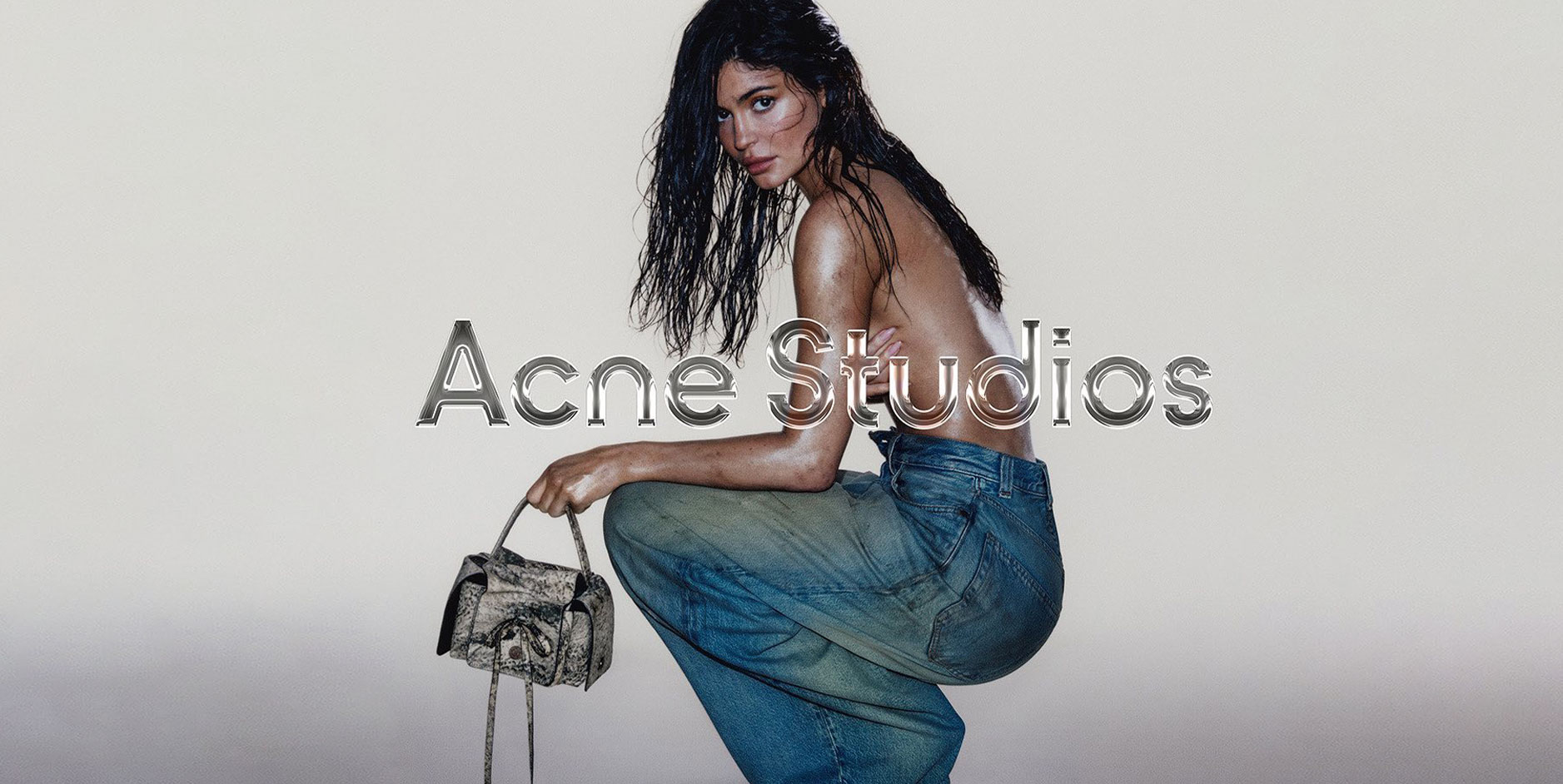
Acne Studios: From a Pair of Jeans to the Face of Scandinavian Minimalism
FASHION / 2025-08-25
Mention Acne Studios, and chances are you’ve already got a piece hanging in your wardrobe. But did you know? This global fashion powerhouse didn’t start with clothes at all. In fact, it was first a multimedia creative collective dabbling in design, film, publishing, and even its own magazine — the highly influential Acne Paper.
Today, Acne Studios has grown into one of the most recognizable brands representing Scandinavian minimalism. With its sharp design language and cult celebrity following — from Kylie Jenner, Rihanna, BLACKPINK’s Jennie and Lisa, to ILLIT — Acne Studios has cemented its status as one of Sweden’s most influential fashion exports.
Let’s break it down into six key angles that define Acne Studios’ journey and creative DNA.
What does “Acne” really mean?
At first glance, “Acne” sounds like “skin acne” — not the most glamorous name. But the story behind it is much more playful.
When founder Jonny Johansson and his friends launched the label in 1996, they jokingly called it Associated Computer Nerd Enterprises, poking fun at their geeky beginnings. Later, the acronym was redefined as Ambition to Create Novel Expressions, which perfectly captures Acne Studios’ philosophy: challenging norms and redefining creative expression.
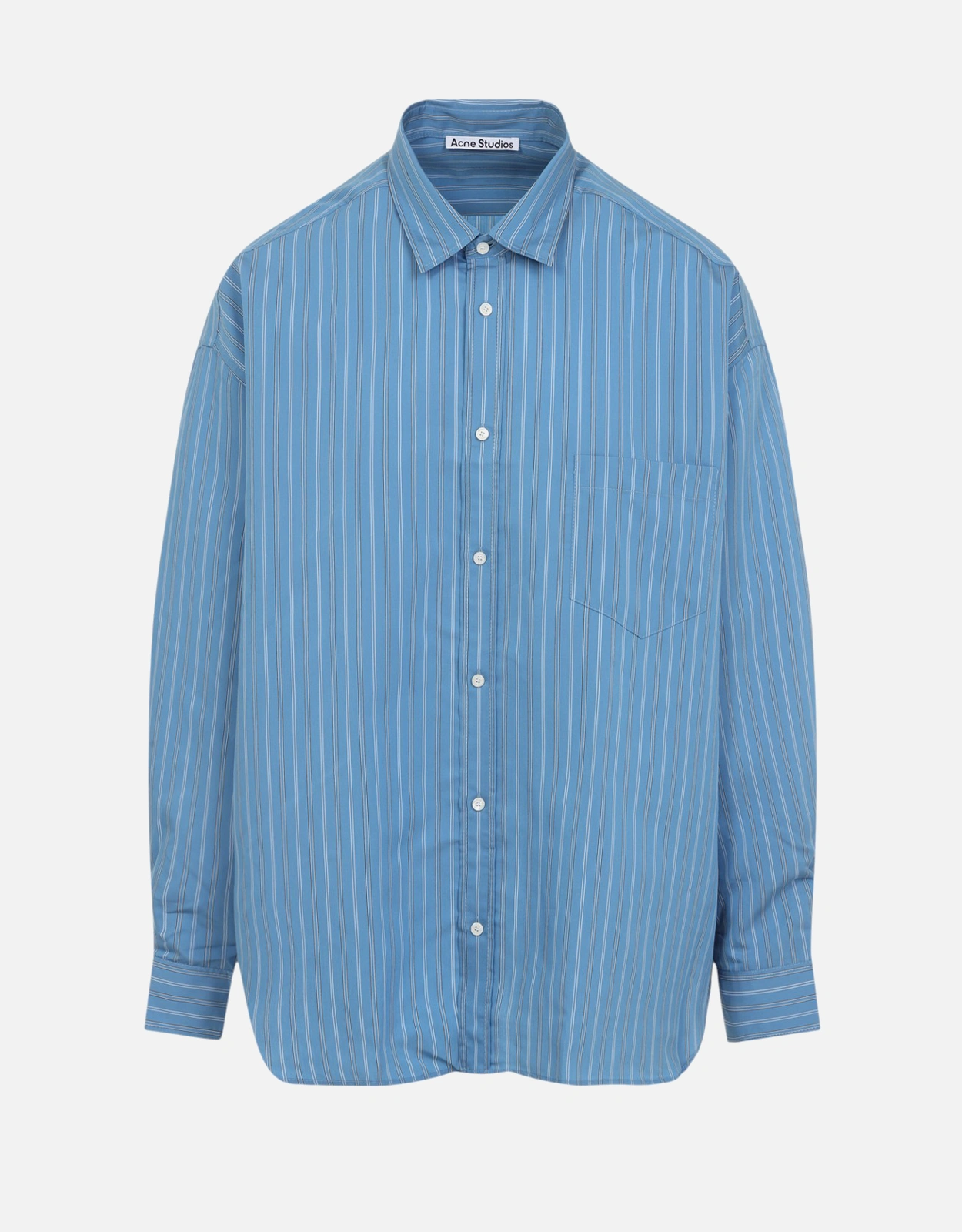
From creative collective to fashion brand — by accident
In its early days, Acne Studios wasn’t about fashion at all. It operated as a multidisciplinary creative studio, taking on projects in graphic design, advertising, film, and branding.
Then in 1997, Johansson decided to make 100 pairs of red-stitched denim jeans as PR gifts for friends and collaborators. The jeans caught the eye of ELLE Sweden and Wallpaper magazine — instantly sparking buzz. This happy accident pushed Acne from a creative lab into the world of fashion.
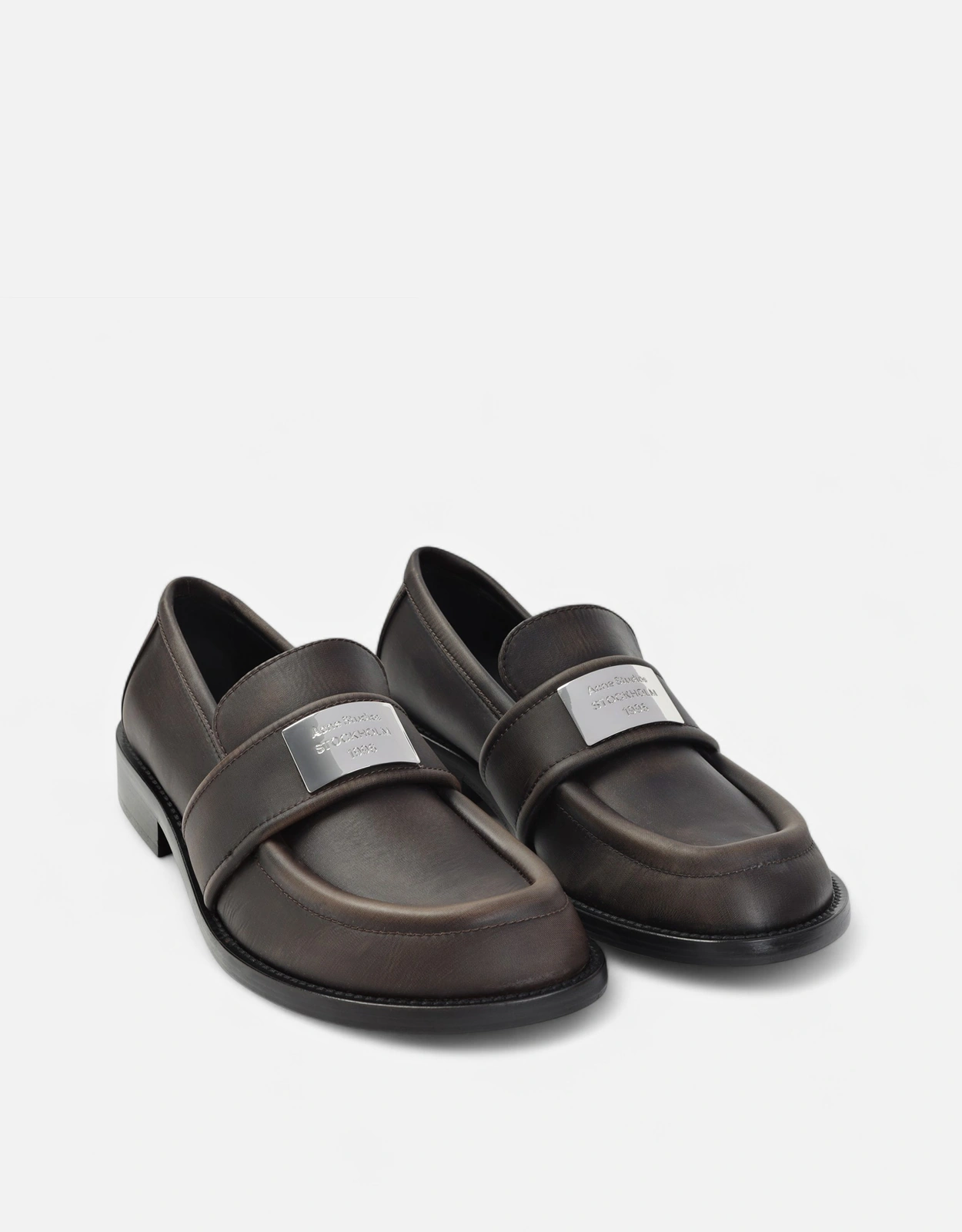
The denim that started it all: Acne Jeans
Those red-stitched straight-leg jeans became a symbol of disruption in the late ’90s, when bootcut silhouettes were mainstream.
By 1998, with help from designer Ann-Sofie Back, Johansson launched Acne’s first full ready-to-wear line under the name Acne Action Jeans, later rebranded simply as Acne Jeans. The denim line became a cult favorite, propelling Acne Studios from Stockholm to the global stage.
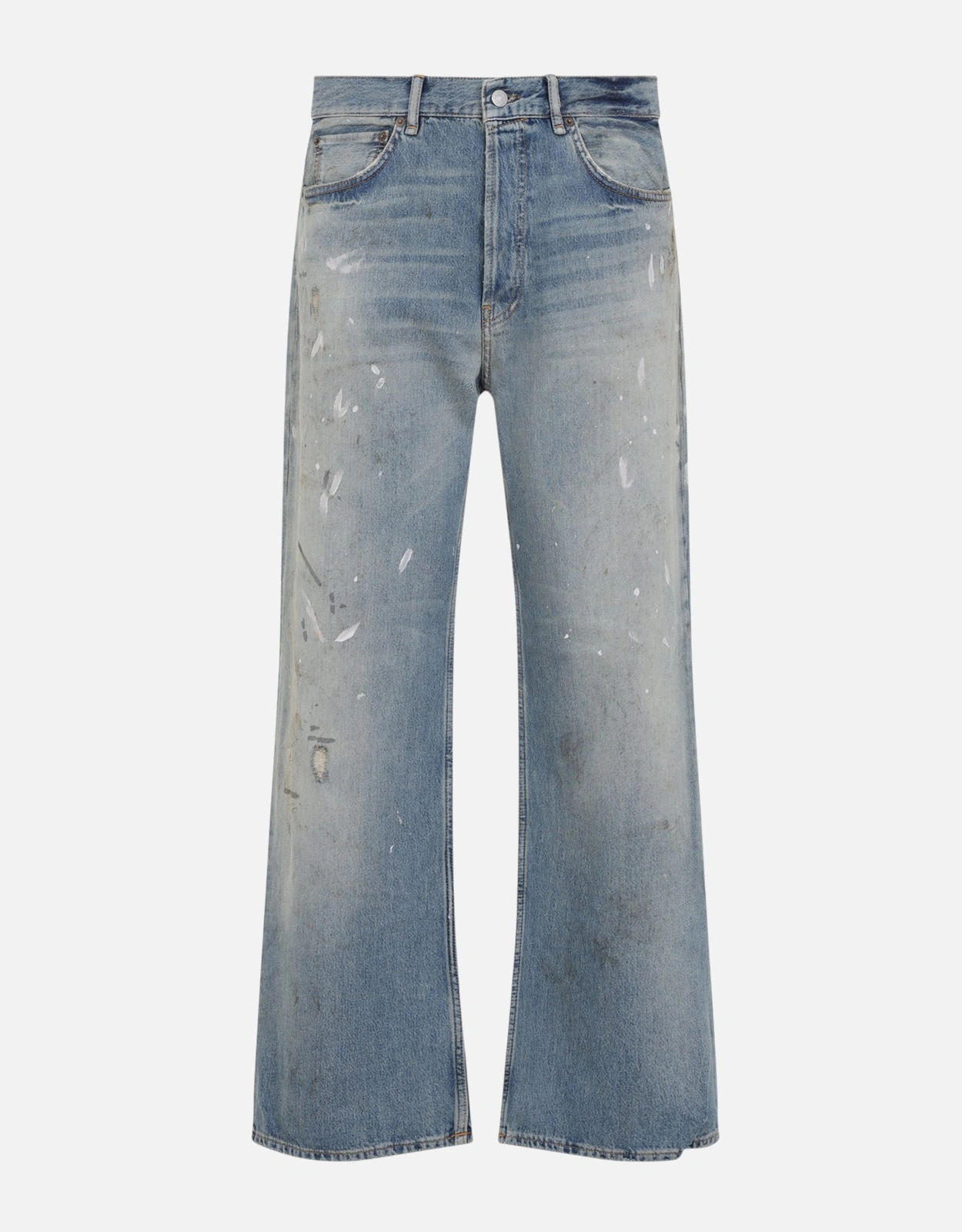
The “Face Logo”: Scandinavian cool, with zero emotion
If you own Acne Studios, you’ve likely seen the “: |” face logo.
This two-dot-one-line design reflects Sweden’s cultural tendency toward emotional neutrality — not overly happy, not overly sad, just balanced. It first appeared in the 2017 Face Collection (hoodies, T-shirts, socks, caps), which quickly sold out.
The logo has since become a visual shorthand for Scandi-cool minimalism: calm, understated, yet instantly recognizable.
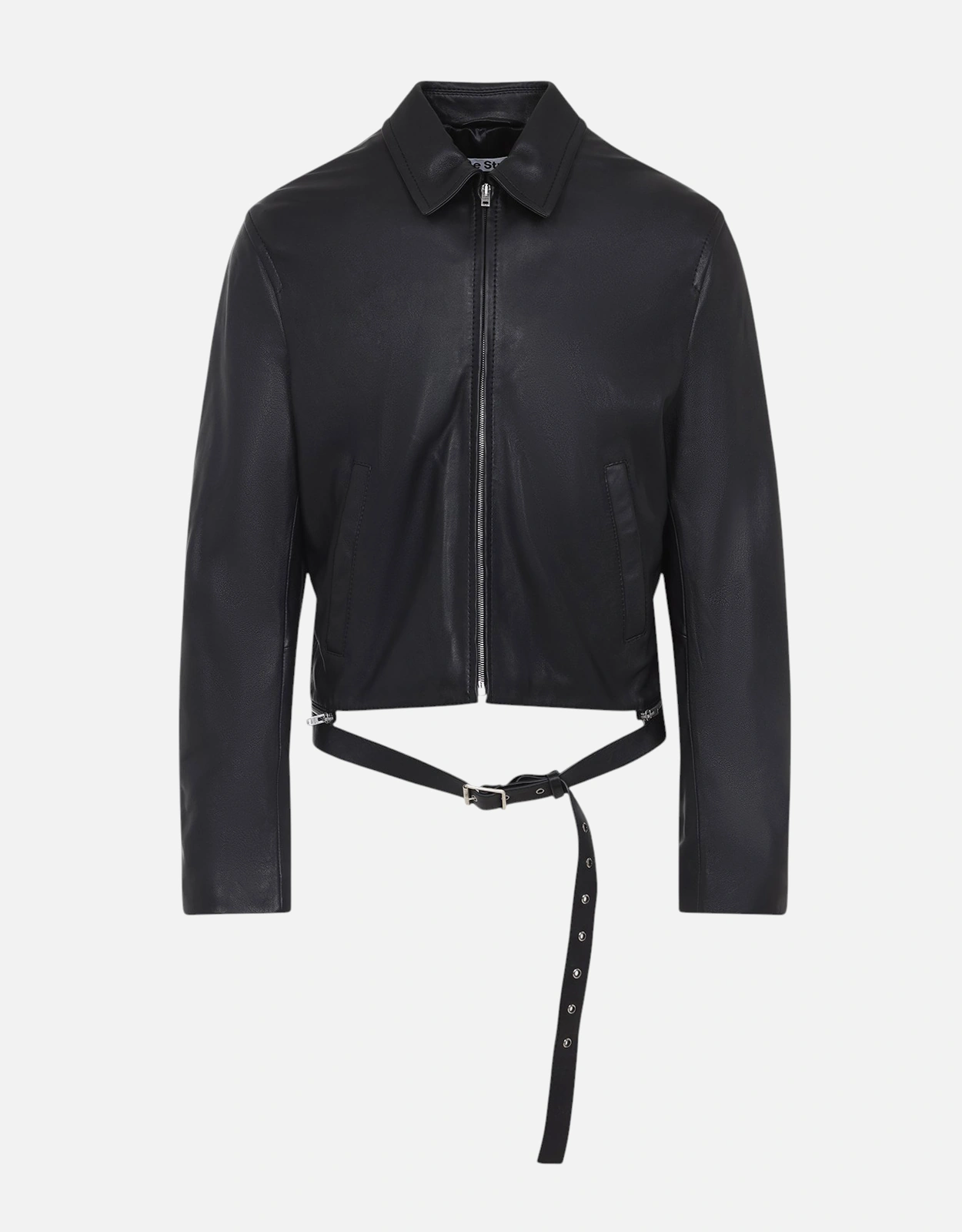
Acne Pink: Minimalist color, maximal impact
Before Barbiecore and PP Pink took over, Acne Studios had already claimed pink in the early 2000s.
The brand embraced a muted, low-saturation shade dubbed Acne Pink (also known as Millennial Pink). Seen everywhere from shopping bags to ready-to-wear, the color struck the perfect balance between minimal restraint and playful charm. Today, the pink bag is as iconic as the clothes themselves.
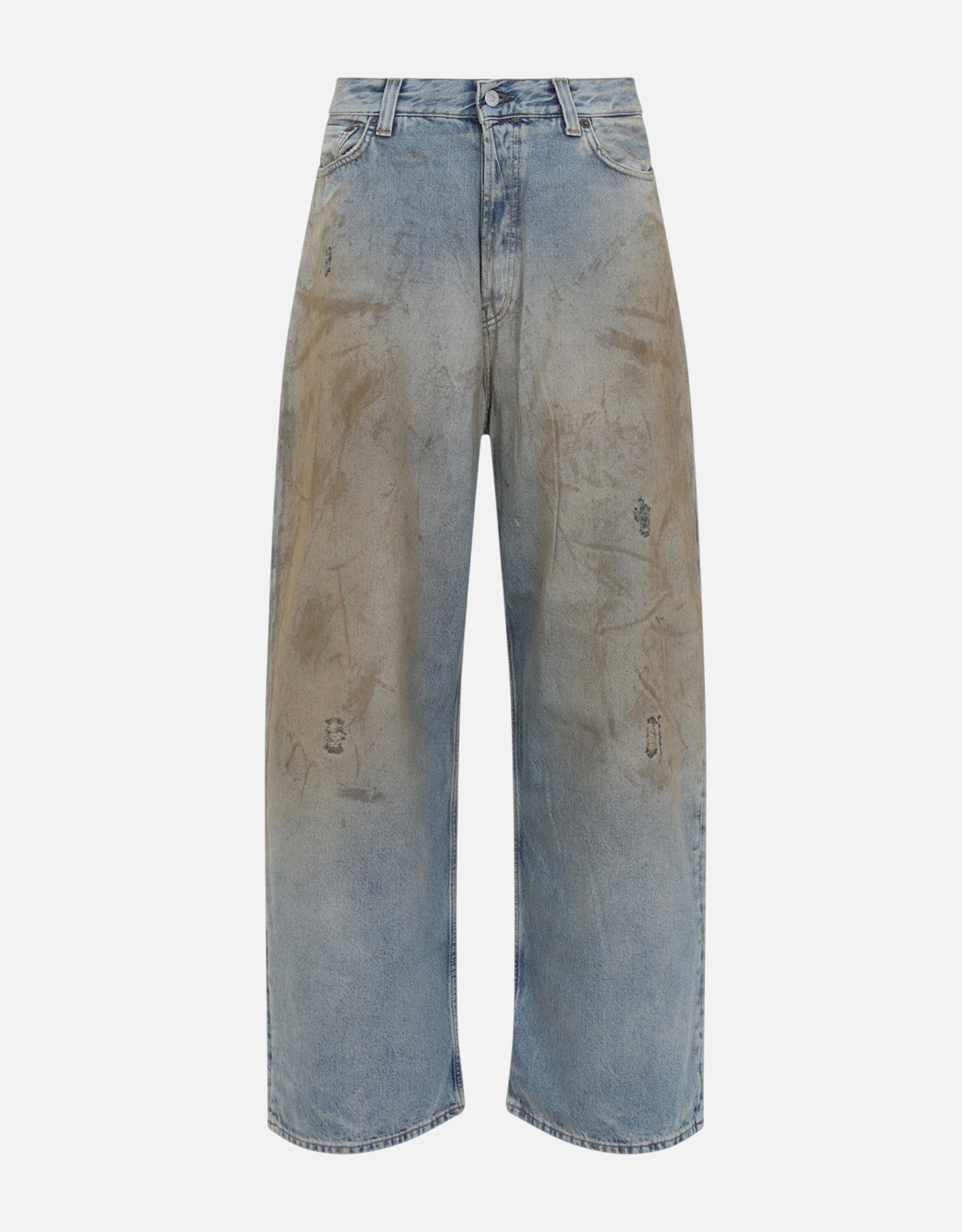
Acne Paper: Culture beyond fashion
In 2005, Acne Studios launched Acne Paper, a biannual magazine that quickly gained cult status.
Unlike typical fashion glossies, Acne Paper explored art, photography, design, architecture, literature, and philosophy. Each issue revolved around a theme and featured contributions from diverse creative voices. Between 2005 and 2014, it published 15 issues, before returning in 2021 in an expanded 500-page hybrid book-magazine format.
This commitment to culture shows Acne Studios is not just about clothes — it’s about expanding creative expression across disciplines.