This post is also available in: enEnglishzh-hant繁體中文 (Chinese (Traditional))ja日本語 (Japanese)

Alexander McQueen: The Romance of Rebellion

FASHION / 2025-07-29

Where Savile Row Meets Subversion: The Birth of a Dark Visionary

Alexander McQueen was founded by Lee Alexander McQueen in 1992, born from the rare collision of meticulous Savile Row tailoring and radical artistic rebellion. Trained under the venerable Gieves & Hawkes and later mentored by Central Saint Martins, McQueen exploded onto the fashion scene with his graduate collection famously purchased in full by fashion editor Isabella Blow. His early runway shows—visceral, emotional, and controversial—redefined what fashion could say about identity, beauty, and mortality.

Initially dismissed as fashion’s enfant terrible, McQueen quickly earned critical acclaim for his boundary-pushing narratives, like the infamous Highland Rape collection, which challenged historical narratives and gender power structures. Following his appointment as Creative Director of Givenchy in 1996, and later acquisition by the Kering Group in 2001, the label evolved into a full-fledged couture house, marrying gothic romanticism with master-level tailoring—always anchored in the spirit of its founder’s audacious vision.


Sharp Cuts, Soft Drama: Sculpting Emotion Through Fashion

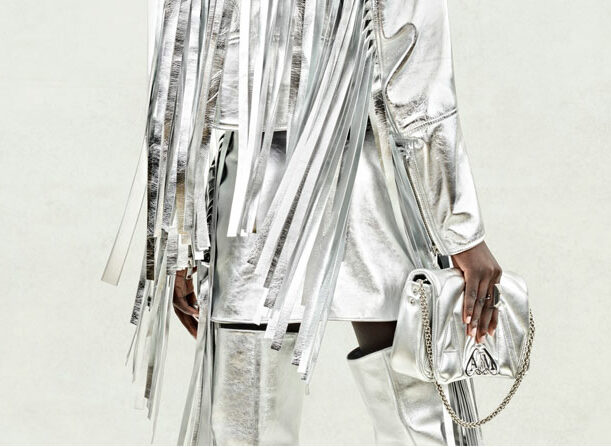
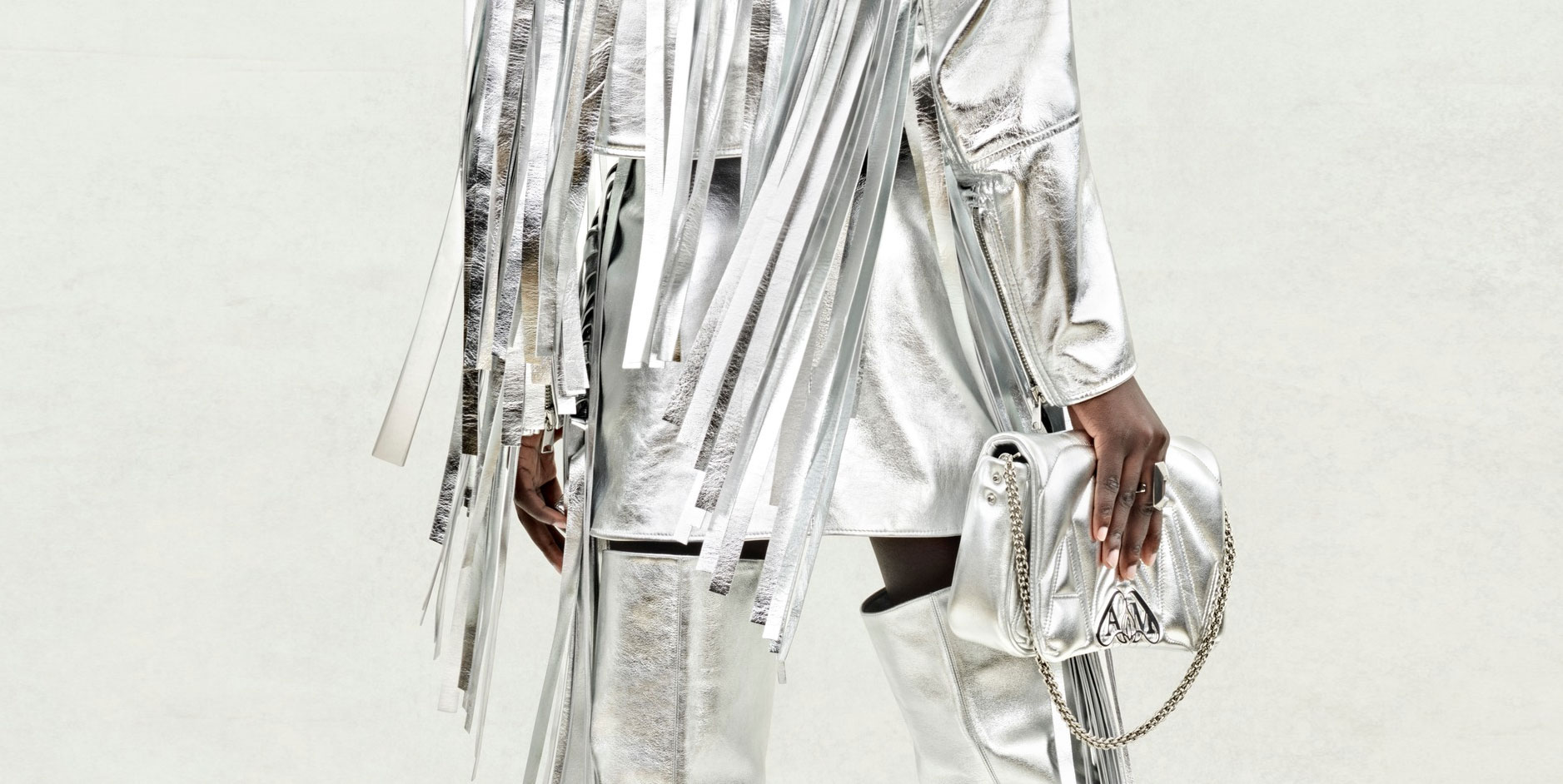
Alexander McQueen is synonymous with brutal beauty—each collection a poetic study in contrasts. The brand’s signature lies in its masterful tailoring, anatomical cuts, and symbolic motifs: from razor-sharp shoulders and corseted waists to feathered gowns evoking fragile defiance. The brand’s fixation with death, nature, and metamorphosis manifests in exquisite hand-embroidery, bone-structured silhouettes, and textile innovation bordering on the cinematic.

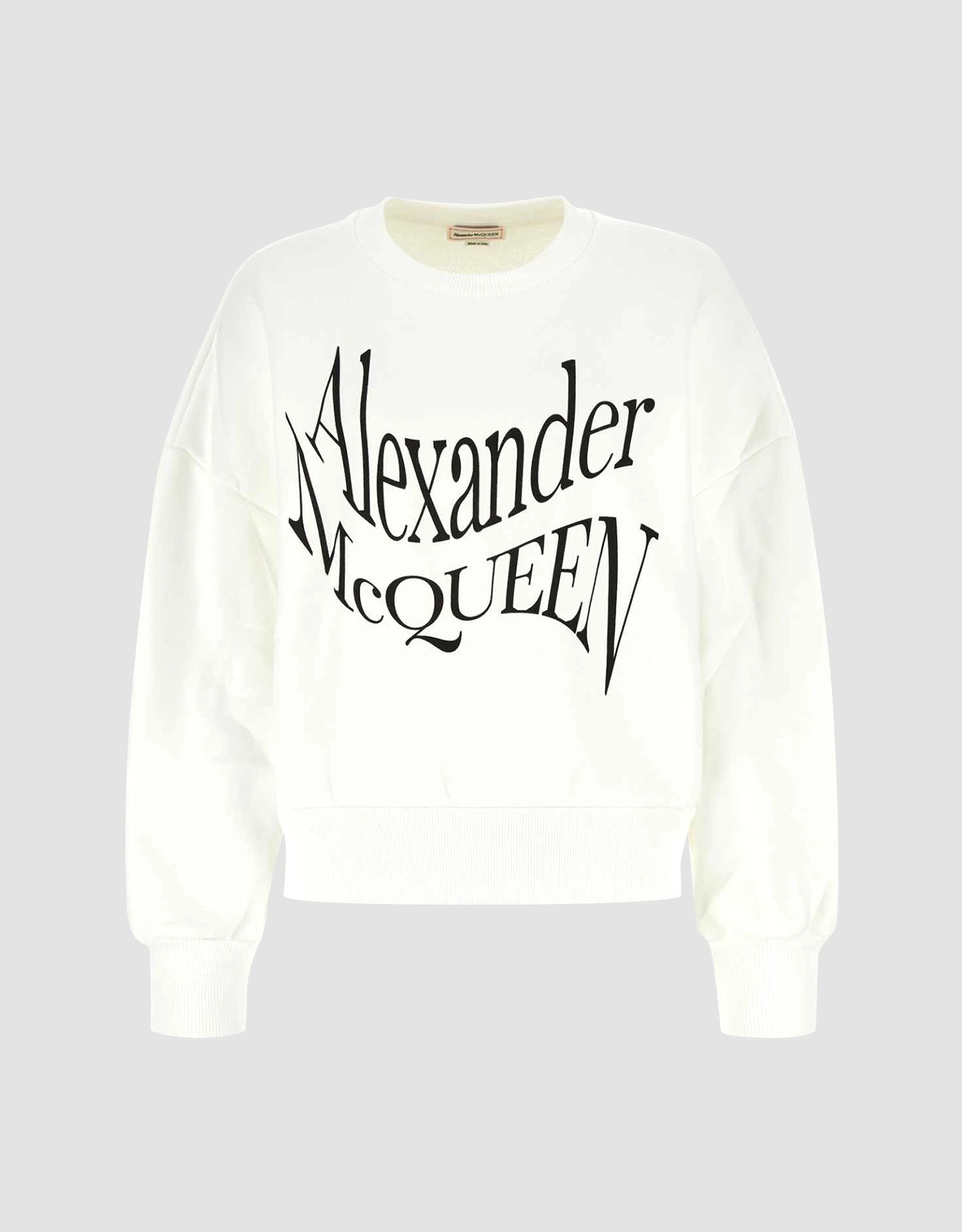
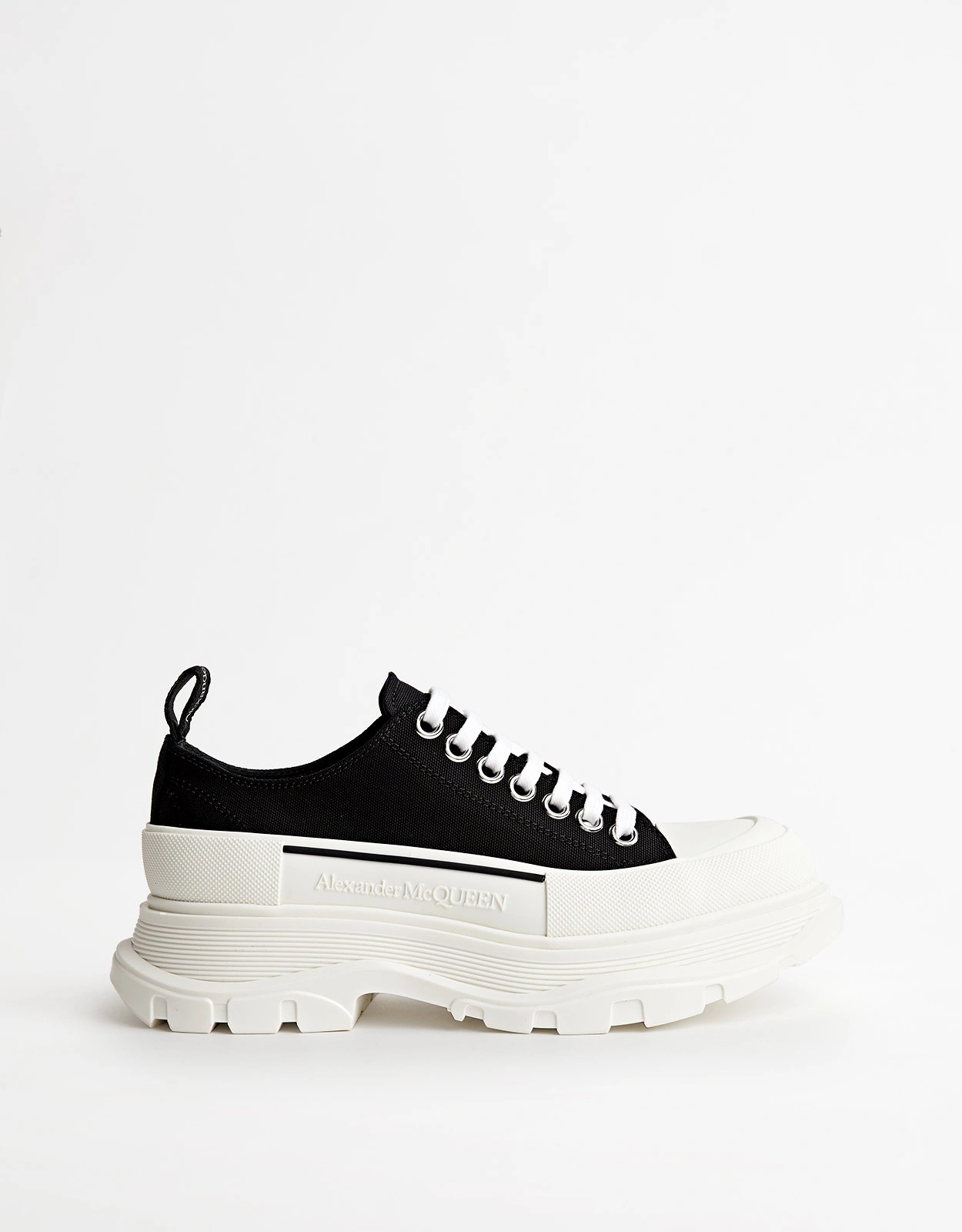
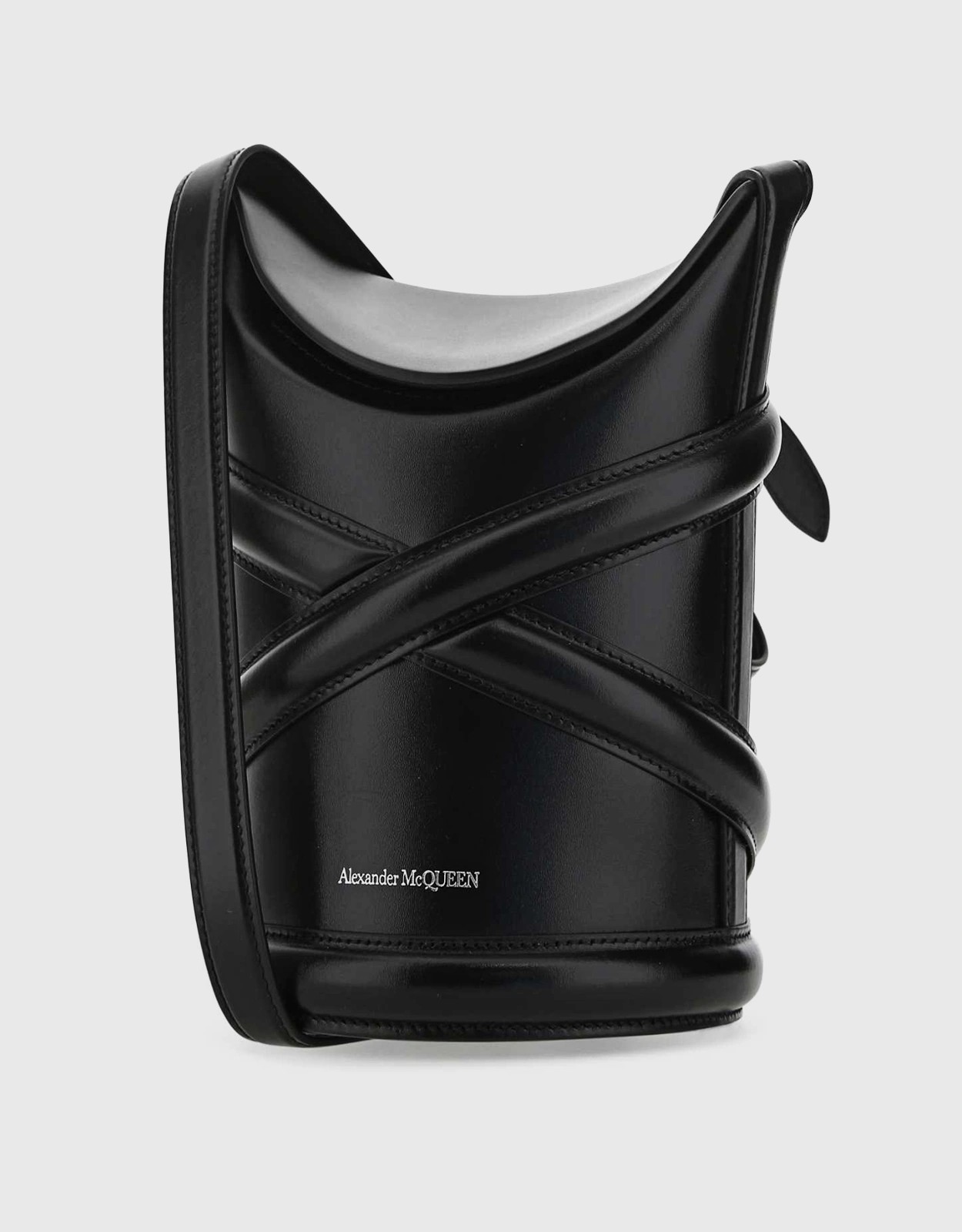
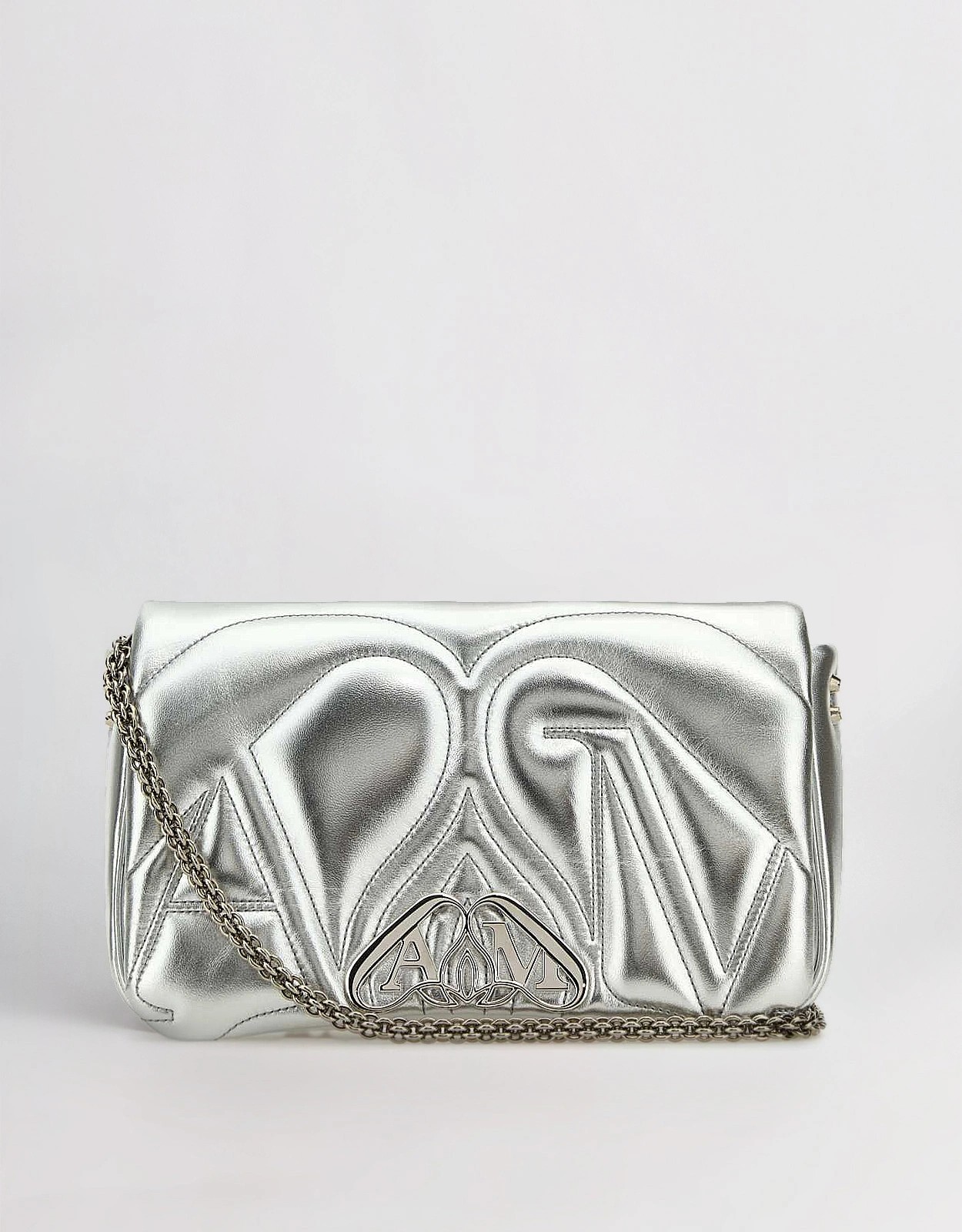
Iconic pieces like the Skull Scarf, the architectural Curve Bag, and the Armadillo Boots speak not only to aesthetic prowess but to narrative intent. Recent expansions into knitwear, denim, and footwear reinterpret this high drama for everyday wear, while accessories—like knuckle-duster clutches and metalwork jewelry—offer wearable rebellion. Alexander McQueen continues to lead by challenging fashion orthodoxy, bringing the theatrical and the intimate into the same frame.


More Than Fashion: A Ritual, a Resistance, a Renaissance

McQueen’s legacy transcends garments—it’s a worldview. From runway spectacles like VOSS and Plato’s Atlantis to the globally renowned Savage Beauty exhibitions at the V&A and The Met, the house crafts cultural experiences that provoke as much as they inspire. Under Sarah Burton’s two-decade creative stewardship (2010–2023), the brand softened some of its edges without losing its razor-sharp emotional resonance—championing British craftsmanship, sustainability, and women’s empowerment in design.

Today, with Seán McGirr at the helm, the brand enters a new era, still anchored in its visceral roots. Initiatives like the McQueen Creators digital platform invite a global creative community to engage with the brand’s design DNA, while collaborations with artists, writers, and emerging talent blur the line between fashion, art, and activism. To wear McQueen is to participate in a global dialogue—about beauty, vulnerability, resistance, and the right to be seen.



Dress to Disturb, Create to Remember

Alexander McQueen is not just a label—it is an act of rebellion wrapped in couture. It invites wearers to become storytellers, to turn garments into declarations, and to embrace the full spectrum of human emotion through dress. From its East London beginnings to its current global reach, the brand continues to write an unapologetically bold narrative of freedom, identity, and craft.

Explore Alexander McQueen on IFCHIC, where signature icons like the Skull Scarf, the Curve Bag, and seasonal ready-to-wear collections await to transform your wardrobe into a canvas of personal expression—crafted not just with fabric, but with feeling.